


Browse Diamond Tool Store's glass suction cups to compare professional lifting options for your next stone, tile, or glass handling job.
Glass suction cups are pro tools that use vacuum pressure to grip and lift heavy materials like glass, granite, and tile. These industrial cups create a strong seal by removing air between the rubber base and a flat or curved surface. This process relies on a pressure difference where the external air holds the cup tightly against the load. Industrial shops use these tools to move large glass plates and stone slabs safely and with high precision. According to UCSC Physics, these tools are widely used for carrying big, heavy things that would be hard to handle by hand. Using these lifters protects workers from strain and reduces the risk of breaking costly materials during transport. They provide a secure hold for any professional job.
What are glass suction cups used for?
Glass suction cups are tools that help you move large and heavy sheet items. These tools use a vacuum seal to grip a smooth surface. When the air is pumped out, the outside air pressure holds the cup to the material. This force makes it easy to lift and carry things that are hard to grab with your hands. Workers in glass shops and stone yards use these cups every day to stay safe and move stock fast.
Lifting stone and glass
The most common use for these tools is moving large sheets of glass. Large panes of glass are heavy and can break if you do not hold them right. Hand held cups give you a safe place to grip the glass without touching the edges. Pros also use vacuum lifting equipment for large slabs of granite and marble. This is helpful when you need to move stone from a rack to a cutting table.
The science behind this is simple but strong. A vacuum creates a pressure difference between the cup and the outside air. According to research from the University of California Santa Cruz, air pressure is what holds the surfaces together. This pressure is strong enough to lift hundreds of pounds when you use the right tool. It makes moving heavy slabs safer for your back and your gear.
Working with tile and polished surfaces
You can also use these tools for more than just glass. They work on any smooth surface like polished tile or metal. When you set large tiles, it can be hard to get your fingers underneath them. Using a suction cup lets you handle stone and tile safely while you set them in place. This helps you avoid chips and keeps your hands out of the mortar.
Some tools are made for flat sheets, while others work on curved surfaces. A flat cup is best for standard glass or mirrors. But if you have a curved windshield or a round stone edge, you need a concave cup. These special cups have a soft seal that bends to fit the shape of the item. This ensures you always have a tight grip even if the surface is not flat.
Safe weight and load control
Each glass suction cup has a set weight limit. This limit tells you the most weight the tool can lift safely. For example, a six inch cup might be rated for 75 pounds. A larger ten inch cup can often hold up to 300 pounds. You must always check the limit before you lift a heavy load. Using too much weight can cause the seal to fail, which leads to drops and breaks.
Manual pumps are common, but battery powered pumps are also a choice. A hand pump requires you to push a plunger a few times to get a seal. Powered pumps do this work for you and keep the vacuum strong as you move. This is helpful for long jobs where you need to hold a piece for a long time. While pneumatic systems are used in some shops, they can be loud and need hoses. Battery cups offer a handy way to get the same results without the noise.
How to read lifting capacity and ratings
Each tool has a clear limit for how much it can hold. This is the rated load. You must find this number on the tool or in the book that came with it. It tells you the most weight the cup can lift in a safe way. Using a cup for more weight than its limit can cause the seal to break. This leads to drops and lost gear.Know the rated load
The load limit of glass suction cups depends on the size of the cup. For example, a 6 inch cup might be rated for 75 lbs. A larger 10 inch cup can hold up to 300 lbs. These facts assume the surface is clean and smooth. You should always check the stamp on the tool to be sure of the limit. Air force is what keeps the cup on the glass. It pushes on the outside of the cup when a vacuum is inside. This force is strong, but it has a limit. You can see how this works in science tests at ucsc.edu. These tests show that the seal must be perfect for the tool to work. Even a small leak will cause the tool to let go of the load. How you hold the glass also matters. A cup has more strength when you pull straight up. This is a flat lift. If you tilt the glass, the force changes. This is a side load. Most tools have a lower limit for side loads. This is because the rubber can slide or peel off the face. Always look for both marks if you plan to move glass at an angle.Pick the right cup shape
The shape of the cup also affects the load. Flat cups work best on flat glass. If you need to lift a curved piece, you must use a cup with a curved face. These special tools can grip bent glass and large pipes. Using a flat cup on a curved surface is not safe. It will not form a full seal and can pop off without warning. The weight of the slab is a key part of your plan. You must know the weight of the sheet before you start. Thick glass and stone slabs are heavy. You might need vacuum lifting equipment for large slabs to do the job well. It is best to use more than one cup for large items. This spreads the weight and gives you more control.Use a safety gap
Never lift the exact top limit of the tool. Use a safety gap to stay safe. Many pros use a 2-to-1 or 3-to-1 rule. This means if a cup can hold 300 lbs, they only lift 100 or 150 lbs with it. This extra room keeps you safe if the vacuum drops or the glass bumps into a wall. Check the tool before every lift. Look at the rubber for any signs of wear. Dirt and dust are the threats to a good grip. Wipe the glass and the cup with a clean cloth. A quick check takes only a few seconds. It can save you from a big loss and keep your job site safe.- Check the cup rubber for cracks or tears.
- Clean the glass surface to remove oil and dust.
- Make sure the vacuum pump works as it should.
- Check the load weight to stay in the safe limit.

Manual suction cups vs vacuum lifters
Choosing the right tool for moving heavy slabs or glass is key for safety and speed. You must know the difference between simple manual cups and advanced vacuum lifters. Each tool has a specific role on the job site. While they all use air pressure to grip surfaces, they vary in how they create and hold that force. Professionals use these tools to handle stone and tile safely during transport.
How basic suction cups work
Manual suction cups are the most common tools for light glass handling. They work by creating a small area of low pressure between the cup and the surface. The pressure from the air outside then holds the cup tightly against the material. These simple tools are great for small tasks but have limits when you move larger loads. You should use them for smooth items like window glass or small tiles.
Most manual models use a lever or a flip tab to pull the center of the cup away from the glass. This creates the seal you need to lift the item. They are easy to use and very cheap. But they do not show you if the seal is strong or if it is losing air. This makes them less safe for heavy or expensive slabs where a drop could be dangerous.
The power of hand pump vacuum cups
Hand pump vacuum cups are a step up from basic manual tools. They have a small pump built into the handle. You press the pump several times to remove air from under the cup. This allows you to properly position and transport tile with more trust. Most of these cups have a red line on the pump to show you if you are losing vacuum. This extra safety check is vital when you work with heavy materials.
These tools can handle much more weight than basic lever cups. They are the standard for pros in the stone and glass trades. They work well on materials that might have a slight texture. The pump lets you add more vacuum if the seal starts to fail. This gives you a much better grip and more time to react if there is a problem during a lift.
Powered vacuum lifters for heavy slabs
For the biggest jobs, you will need powered vacuum lifters. These units use electric pumps to maintain a constant grip. They are often part of larger vacuum lifting equipment for large slabs that hangs from a crane or forklift. Unlike hand tools, these systems can pull a vacuum through rough stone. They take the hard work out of moving massive plates of glass or granite.
While these tools are very strong, they are also more complex. Some commercial models use pneumatic systems which can be noisy and heavy. They need a power source like a battery or a cord to run the pump. They are the best choice for factory floors or large construction sites. They offer the highest level of safety because they monitor the vacuum seal at all times.
| Tool Type | Best Use | Key Strengths | Main Constraints |
|---|---|---|---|
| Manual Lever Cup | Small glass panes | Cheap and fast | Low weight limit |
| Hand Pump Cup | Large glass or stone | Safety indicators | Needs manual effort |
| Powered Lifter | Massive slabs | Constant vacuum | High cost and weight |
Which surfaces can suction cups lift?
Most people know that glass suction cups work well on windows. But these tools do much more than just lift glass. They use a simple law of physics to move heavy and awkward loads. When you push a cup onto a flat spot, it pushes out the air. This creates a vacuum inside the cup. The weight of the air outside then holds the cup tight against the surface. This force is strong. It lets workers lift big sheets of stone without using their bare hands. You can use these cups on many kinds of non-porous surfaces in a stone shop or on a busy job site.
Lifting glass and polished stone
The best surfaces for these tools are smooth and flat. Clear glass is the most common use, but the list goes much further. You can also use them on polished granite and marble. Many shops use them to handle stone and tile safely as they move pieces to the bridge saw. The smooth finish on these stones lets the rubber rim make a tight seal. This seal is the vital part of any lift. If the stone is dusty or wet, the cup might slide. You must clean the area first to remove any grime. Once the spot is clean, a single cup can hold hundreds of pounds. This makes it much easier to carry large stone slabs across a floor. It also keeps your fingers away from sharp edges.
Handling tile and man-made slabs
Modern builders often work with man-made stone and large-format tiles. These slabs are very heavy and can break if you drop them. Vacuum cups are great for this kind of work. They help you place and move tile well during a floor or wall job. Most cups come with a safe load rating that you can trust. Some small cups can hold about 75 pounds. Larger tools can lift up to 300 pounds at a time. You should always check the weight of your slab before you start to lift it. These tools save your back from strain and help keep the stone in one piece. They are a key part of a pro tool kit for any tile setter.
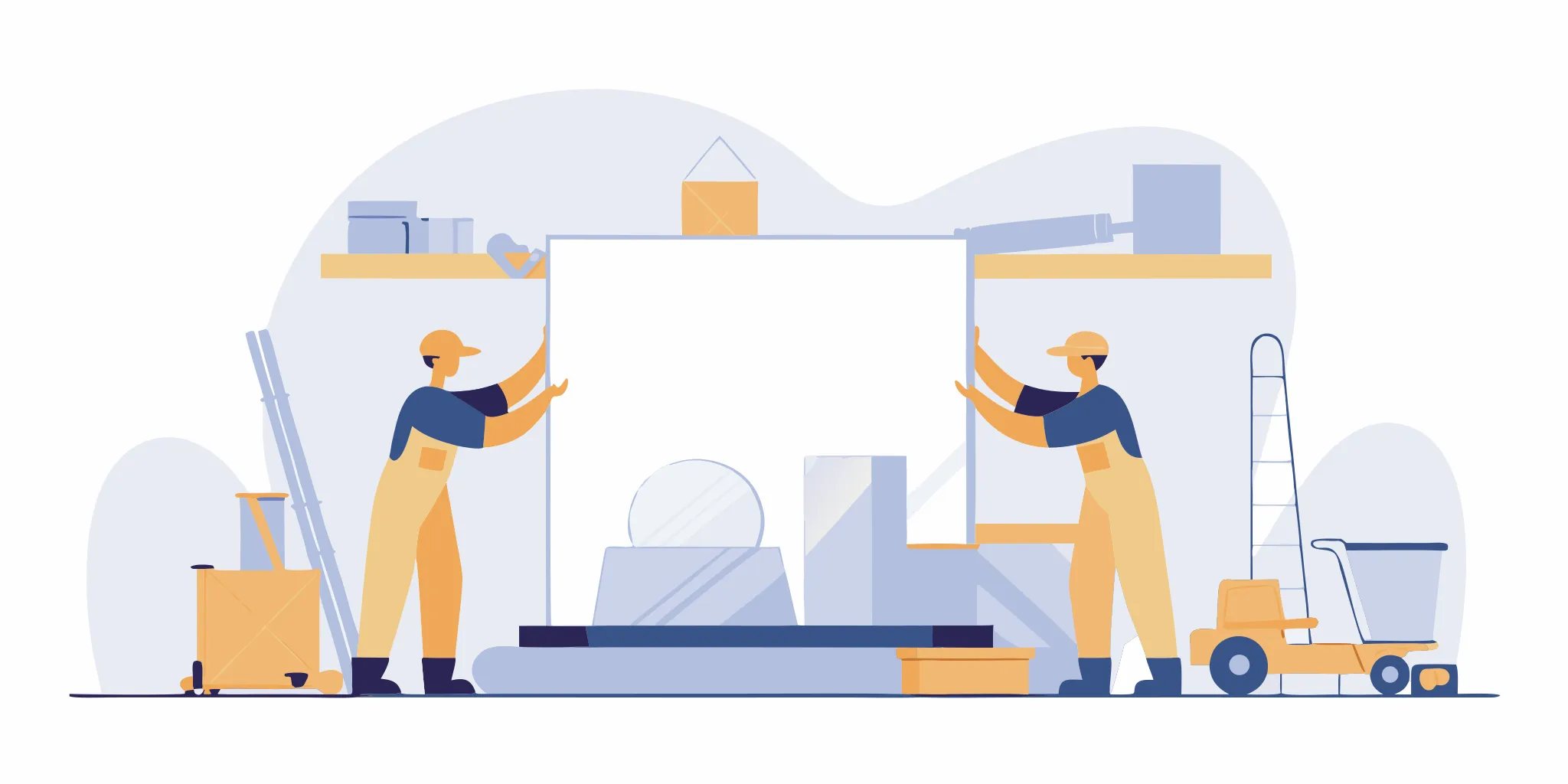
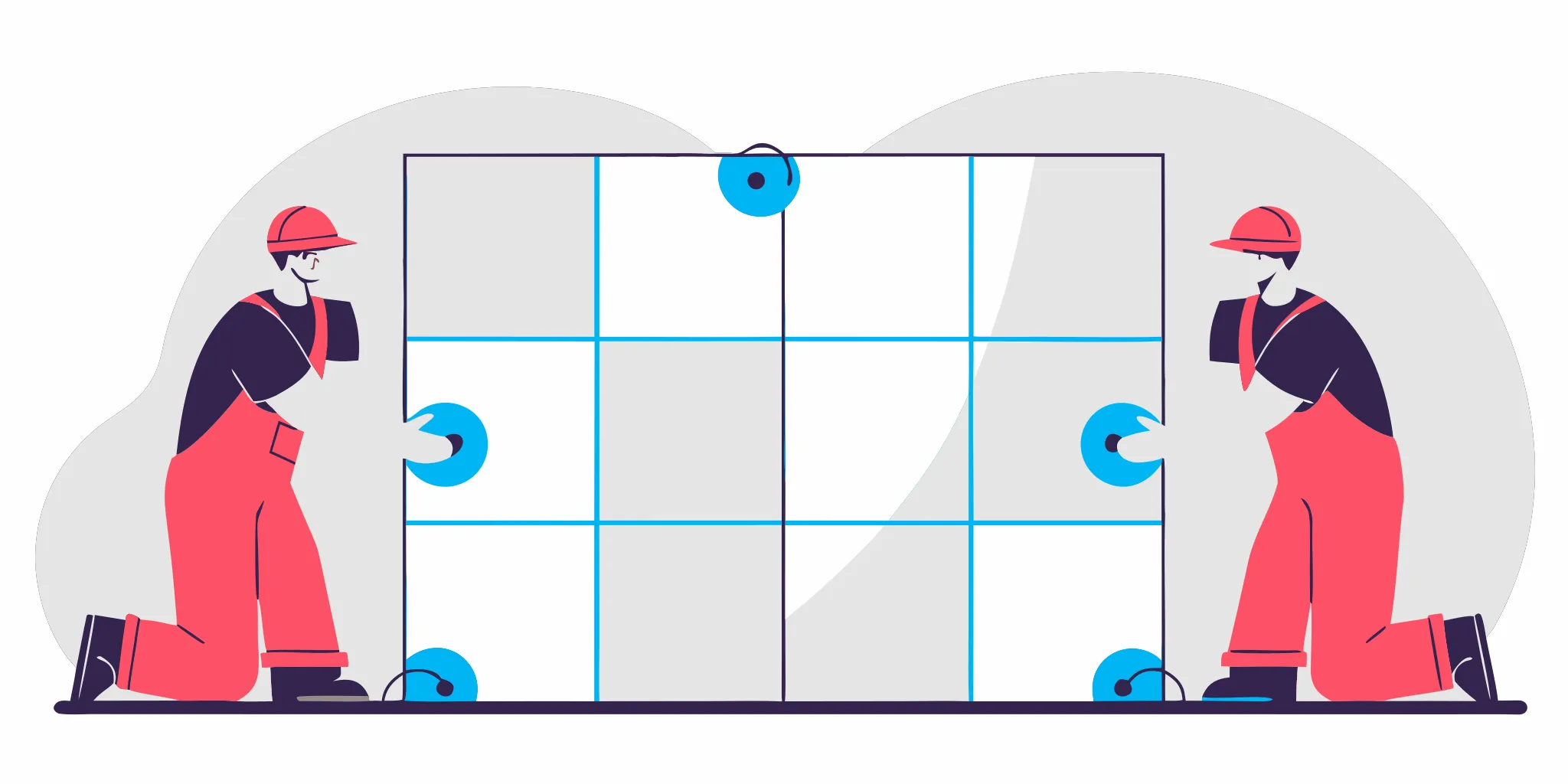
How to use glass suction cups safely
Working with heavy items like glass or stone needs the right tools to stop hurt. Pro glass suction cups help workers move large plates with less risk. These tools use air to grip smooth surfaces. Using them well saves time and keeps your team safe on the job. Following a set safety plan makes sure the vacuum seal stays strong during every move.
Check your gear first
Before you start, look closely at the rubber cup. Dirt or small tears can cause the vacuum to fail. Check the handle and the pump for any cracks or loose parts. A well-kept tool is the best way to handle stone and tile safely on a busy site. If you see signs of wear, replace the part right away. You can find simple kits to fix seals and keep the tool in top shape.
Each tool has a weight limit that you must follow. This limit is the most weight the cup can hold under normal use. A strong seal depends on the air pressure outside the cup. Never try to lift more than the rated limit. If the load is too heavy, the seal might break without a hint of trouble. Using two or more cups can help spread the weight for safer handling.
Cleaning and surface prep
The surface of the item must be clean and dry. Dust, oil, or water can make the rubber slide. Use a clean cloth to wipe the area where you will place the cup. This step helps the tool grab the surface with full force. Cold or hot weather can also change how the rubber works. Make sure both the cup and the item are at a safe heat before you try to lift. Most cups work best on non-porous surfaces like glass or polished stone.
You should also check the path you will take. Clear any trash from the floor to avoid trips. Tell your team members when you are about to lift a heavy slab. Clear talk keeps everyone alert and out of harm's way. Some shops use vacuum lifting equipment for large slabs to handle the heaviest pieces. Using the right gear for the job is the best way to avoid a bad fall.
Safe lifting steps
Using a step-by-step method helps you avoid common mistakes. This list covers the basics of a safe lift from start to finish. Always read the guide from the maker of your own tool before use. If the tool feels off, stop and check the seal again before you move.
- Clean the rubber pad and the load surface to remove all dirt and oil.
- Place the cup flat on the item and press down hard to start the seal.
- Use the pump or lever to pull the air out and make a vacuum.
- Wait for the safety mark to show that the seal is full and secure.
- Lift the load with your legs while keeping your back straight.
- Watch the vacuum mark or line as you move to make sure the seal holds.
- Set the load down on a firm spot before you hit the release button.
Never stand under a load that is in the air. If the seal fails, the heavy item will fall straight down. Keep your feet clear and use proper shoes for the work site. Work suction cups are great for material handling but they need care. When you are done, put a cover on the cup to protect the rubber from nicks. Store the tool in a dry place to keep it ready for the next task.
How to choose the right lifting setup
Picking the right gear is vital for a safe jobsite. You need to look at your material, the weight of the load, and how often you will lift it. Using the wrong glass suction cups can lead to dropped items or worker injury. A good setup makes the job faster and keeps your crew safe from heavy strain.
Match the cup to your material
The texture and shape of your surface tell you which cup to buy. Flat cups work best for smooth glass and polished stone. But if you work with windshields or round tanks, you will need a curved suction cup profile to get a tight seal. These special tools bend to match the item and keep the vacuum steady during transport.
You should also think about the material type. Standard cups work well on glass, but porous stones may need more suction power. If you plan to work with stone, make sure the cup material can grip that exact surface. A soft and sticky base can help create a seal on surfaces that are not perfectly smooth or have a slight texture.
Check weight and size limits
Every tool has a safe load limit. This number tells you the most weight the tool can hold under normal use. You must always check the weight rating before you start a job. Lifting more than the limit can cause the seal to fail fast and without warning.
For big items, you might need vacuum lifting gear for large slabs instead of hand tools. Large plates of glass or granite can be hard for one person to balance. Using two or more cups helps spread the weight and gives you better control. This keeps the material level and reduces the risk of cracks or breaks during the move.
Choose the right pump for your site
Hand-held cups use a hand pump to remove air and create a grip. They are great for quick tasks and do not need power or batteries. But they do require the user to check the vacuum level often. If the seal starts to leak, you have to pump it again by hand to keep the load safe from falling.
Battery pumps use power to maintain the seal for you. These tools are helpful for long shifts or when you have many items to move. When you have to place and move tile all day, a power pump makes the work much faster. It also helps when the weather is cold or the site is dusty, as these factors can ruin a manual seal.
Large systems are strong but can be heavy and loud. Some heavy vacuum units take up a lot of space and need a constant air supply. For most small jobs, a hand-held cup or a battery pump is a smart choice. They let your crew move freely without being tied to a hose or a noisy machine.
Inspection and maintenance that protect the seal
Safe lifting starts with tools that work. To keep your glass suction cups in top shape, you must care for them daily. A strong seal is what keeps your heavy glass and stone from falling. Good care makes your tools last longer and keeps your crew safe on the job site.
Daily checks for safe lifting
Check the rubber face of your cup before every shift. Look for dirt, grease, or small cuts. Even a tiny bit of dust can cause the cup to slip and lose its grip.
Make sure the surface of the load is also clean. Use a clean cloth to wipe away any oil or grime that could break the seal. This simple step helps your vacuum lifting equipment for large slabs stay stuck to the load.
Watch the red line on the pump plunger while you work. This line is a clear warning sign. If the red line shows during a lift, it means the vacuum is low.
You must set the load down right away. Pump the plunger until the red line is gone to restore the hold. Keeping the cups clean and well aligned is usually enough to keep a firm grip on the stone.
Cleaning and storage tips
Clean your tools at the end of every day. Use a lint-free cloth and mild soap to wash the rubber pad. Do not use harsh cleaners that can dry out the rubber.
A dry or cracked pad will not hold a vacuum well. Check the air filter in the plunger to see if it is clear. A blocked filter can make the pump work too hard or fail to grip.
Store your tools in a case when not in use. This protects the rubber face from bumps and sharp objects. Heat and sun can also damage the rubber over time.
Keep the tools in a cool, dry place. This helps the seal stay soft and ready for the next job. Good storage prevents many common problems that lead to tool failure.
When to replace parts
Know when it is time for new parts. If the red line shows often even after pumping, you may have a leak. This could be a bad check valve or a worn rubber pad.
Do not try to fix a deep cut in the rubber with tape or glue. Buy new parts to keep the tool safe. Using old glass suction cups with a bad seal is a big risk on the job site.
Check your tool for the safe load mark. Per OSHA standards, lifting gear must show how much weight it can hold safely.
If this mark is gone or hard to read, replace the tool or get a new label. Always follow the weight limits for each cup. Taking care of your gear helps you handle glass and stone with no stress.
Frequently Asked Questions
What suction cups lift heavy glass?
Pro grade glass suction cups handle heavy glass, granite, and marble slabs. For instance, a 10 inch vacuum cup can hold up to 300 lbs on curved items. These tools use strong seals and pumps to keep the load safe while you move it. Always check the weight limit of the exact cup you use to make sure it fits your job needs.
How do vacuum lifters work for stone and tile?
These tools work by making a pressure gap between the inside of the cup and the air outside. Based on facts from UCSC Physics, the air pressure on the outside pushes the cup tight against the flat surface. This force makes a firm grip so you can lift heavy stone or tile slabs without them slipping. The seal must stay clean for the tool to hold the weight safely.
What are the maintenance requirements for industrial glass suction cups?
Keeping your cups clean and straight is the most key part of care. You should wipe the rubber seal to clean off dust and dirt before each use. Many pros use rebuild kits to swap out old O-rings and seals when they get worn. Using guard covers when the tool is not in use also helps keep the rubber soft and free of cracks. Daily checks make sure the tool stays safe for heavy lifting.
Are manual or powered glass suction cups better for construction?
Hand cups work well for small jobs and quick moves since they are light and easy to use. But some heavy pneumatic tools can be quite noisy on the job site. Powered lifters cut the work needed to keep a vacuum seal during long tasks. If you handle huge slabs all day, a power tool saves time and keeps your crew from getting tired.
Secure Your Slabs With Better Suction Cups
Moving heavy stone or glass with old or weak gear puts your crew at risk of harm and broken slabs. If you do not upgrade now, you will keep losing time on slow lifts and facing the high cost of ruined parts. Buying new vacuum lifters today means you can work faster and keep your shop running without the fear of a costly drop.
Ready to shop glass suction cups and material handling equipment? Request your new tools online to compare professional lifting options for your shop. These tools can help your crew work efficiently and reduce the risk of broken slabs when selected and used correctly. You can also learn how to handle stone and tile safely with our practical guides.