Choosing the wrong bond for your floor can ruin a set of diamonds in minutes. This mistake leads to slow work or tools that wear down far too fast. You must match your equipment to the slab to get the best results.
Ready to shop? View our full collection of high-performance concrete diamond tooling or call us at (908) 433-7240 to speak with a tooling expert.
Concrete diamond tooling must be matched to concrete hardness to ensure grinding efficiency and prevent premature tool failure. Hard concrete requires a soft metal bond to continuously expose fresh, sharp diamonds, while soft concrete requires a hard metal bond to resist abrasion and hold segments intact. Choosing the correct bond maximizes productivity and keeps equipment costs low.
Before you match your bond to the floor, you must understand the parts of your tool. You must know how metal and diamonds work together. Let's start by exploring how these tools function on a fundamental level.
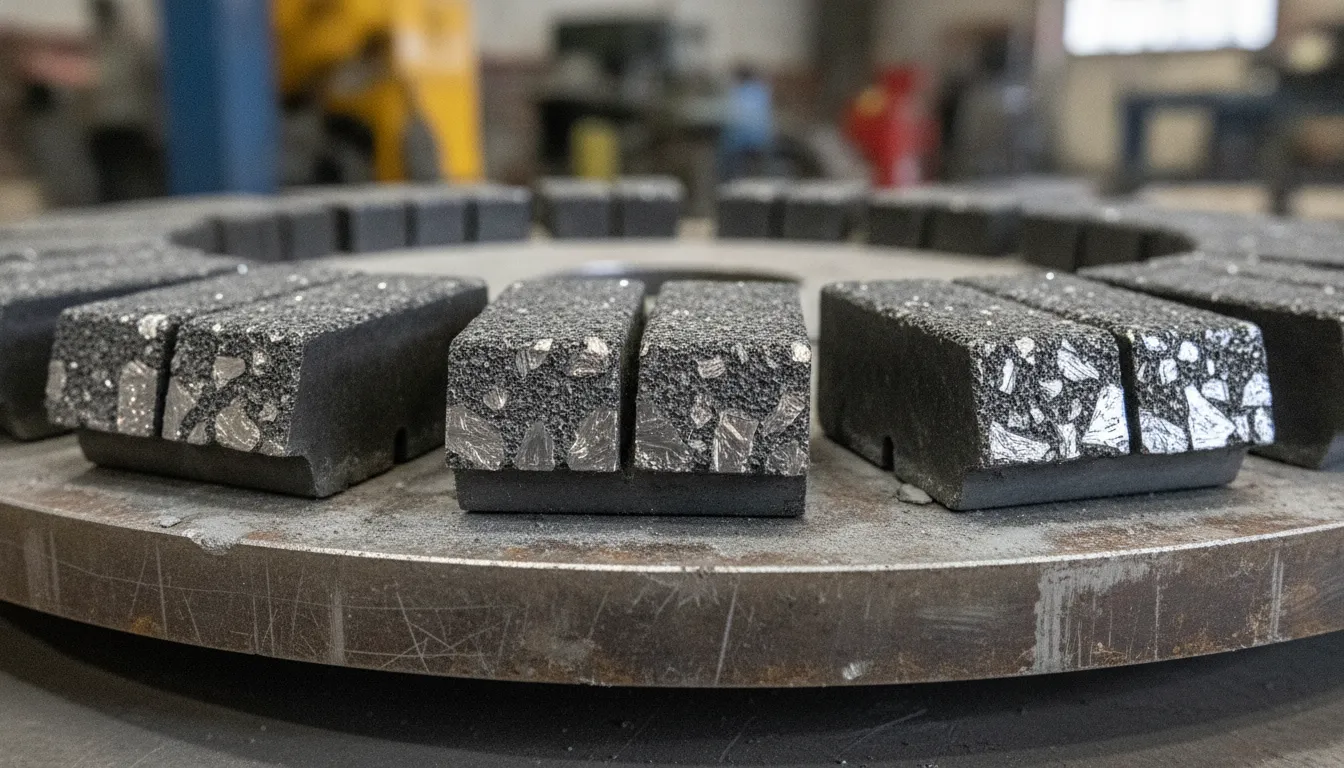
What Is Concrete Diamond Tooling and How Does It Work?
Concrete diamond tooling refers to a range of tools used to shape or smooth concrete surfaces. These tools do not cut in the same way as a saw. Instead, they use tough diamonds to scratch and grind away stuff. This process helps workers fix old floors or prep them for new finishes. Most concrete diamond tooling is built to last and do exact work on tough jobs.
How the diamond segment works
The core of these tools is the diamond segment. This is a small block made from a mix of diamond grits and metal powders. The metal, or bond, holds the diamonds in place during use. As the tool spins or moves, the diamonds act like tiny teeth. They dig into the concrete to remove thin layers of the surface. This grinding action creates a smooth and level finish.
The diamonds used are not gems. They are man-made diamonds built for heavy work. During the making of the tool, heat and pressure are used to bond the diamonds into the metal. This creates a solid block that can handle high heat and force. The life of the tool depends on how the diamonds and bond work together. When diamonds get dull, they should break or fall out. At the same time, the bond must wear down to show a new layer of sharp diamonds. The way the tool sharpens itself is the key to fast work. Using specialized diamond-bonded segments the right way keeps you from wasting time or money on your job.
The role of the bond matrix
The bond matrix is the metal or resin glue that keeps the diamonds on the tool. Choosing the right bond is the most important part of any concrete job. You must always match the bond type to how hard the concrete is. If you use a tool that is too hard for the surface, it will glaze over and stop cutting. This happens because the bond does not wear away to show new diamonds.
When you work with hard concrete, the surface is tough. It does not wear the tool down fast. So, you need a soft bond that breaks away with ease. This lets new diamonds come out to keep cutting. If the concrete is soft, it acts like sand. It wears the tool down fast. In this case, you need a hard bond to hold the diamonds in place for as long as you can. Here are the basic rules for bond selection:
- Soft concrete: Use a hard bond to keep diamonds from falling out too soon.
- Hard concrete: Use a soft bond to let the bond wear down and show sharp diamonds.
- Medium concrete: Use a medium bond for a balance of speed and tool life.
Getting this balance right will help you avoid fast tool wear. You can learn more about concrete grinding disc selection to save on equipment costs. Proper bond choice is the best way to keep your tools working at top speed.
Rules of concrete grinding
Grinding is a common use for these tools. It is a low cost way to fix rough spots on roads or floors. Workers often use diamond grinding to fix the feel of the floor and remove bumps. The process uses many closely spaced blades or segments to shave off the top layer of concrete. This creates a flat and safe surface for cars or foot traffic.
The grit size of the diamonds also plays a part. Large diamonds, or low grit, are used for heavy removal. Small diamonds, or high grit, are used for a fine shine. By changing your tools as you work, you can go from a rough slab to a high-gloss finish. Knowing these rules helps you choose the best tools for every part of your job. This ensures your project stays on track and looks great.
The Science of Concrete Hardness: Soft, Medium, and Hard Bonds
Concrete hardness is measured via compressive strength (PSI) and scratch resistance (Mohs scale). To grind efficiently, you must pair the slab hardness with the correct metal bond matrix: hard concrete requires a soft bond, whereas soft, abrasive concrete requires a hard bond to protect tool integrity.
Concrete may look the same on every job, but its strength varies a lot. The hardness of the slab changes how your tools work and how long they last. Pick the right grinding bond specification. This helps you get the work done fast without wasting money on worn parts.
Checking Concrete Hardness
Most pros use two ways to check concrete hardness. One way is to look at the PSI. This stands for pounds per square inch. It tells you how much weight the slab can hold. The other way is the Mohs scale. This scale ranks how well a slab stands up to scratches. For instance, sapphire is a very hard stone with a Mohs rank of 9.0.
Since it is so tough, experts say diamond tools are the best way for grinding such hard stuff. Testing the slab is the first step for any pro. Hard concrete is dense and tight. It does not wear down easily. Soft concrete is more like sandpaper. It is loose and rough. If you do not test the slab first, you might pick a tool that fails in minutes.
Bond Types and Tool Life
A diamond tool is more than just a block of metal. It is a mix of small diamond bits and a metal or resin glue called a bond. The bond holds the diamonds in place while you work. As you grind, the top layer of the bond wears away. This lets new, sharp diamonds come to the top to keep cutting. Proper bond choice is key to making your tools last.
Picking specialized concrete diamond tooling means looking at the bond. If the bond is too hard, it will not wear away. The diamonds get dull and stop cutting. Pros call this glazing. If the bond is too soft, it wears out too fast. The diamonds fall out before they are even dull. You end up buying more tools than you need for one job.
The Rule of Pairs
To get the best results, you must pair the tool to the slab. Hard concrete needs a soft bond. Since hard concrete does not wear the tool down, a soft bond helps the tool shed its outer layer. This keeps sharp diamonds ready at all times. If you use a hard bond on hard concrete, the tool will just slide over the top. This will cause the segments to get too hot and stop working.
On the other hand, soft concrete needs a hard bond. Soft concrete is very rough. It acts like a file on the tool. A hard bond stands up to this wear. It keeps the diamonds locked in place for as long as possible. Using abrasive concrete grinding plates with a soft bond on these slabs would be a mistake. The tool would wear out almost right away. Matching the bond to the slab keeps your costs low and your speed high.
When to Use Soft Bond vs. Hard Bond Diamond Tools
Use soft bond diamond tools on hard, dense concrete to allow the metal matrix to wear away and expose sharp diamonds. Conversely, use hard bond tools on soft, abrasive concrete to prevent rapid wear and secure the diamond segments from breaking free prematurely.
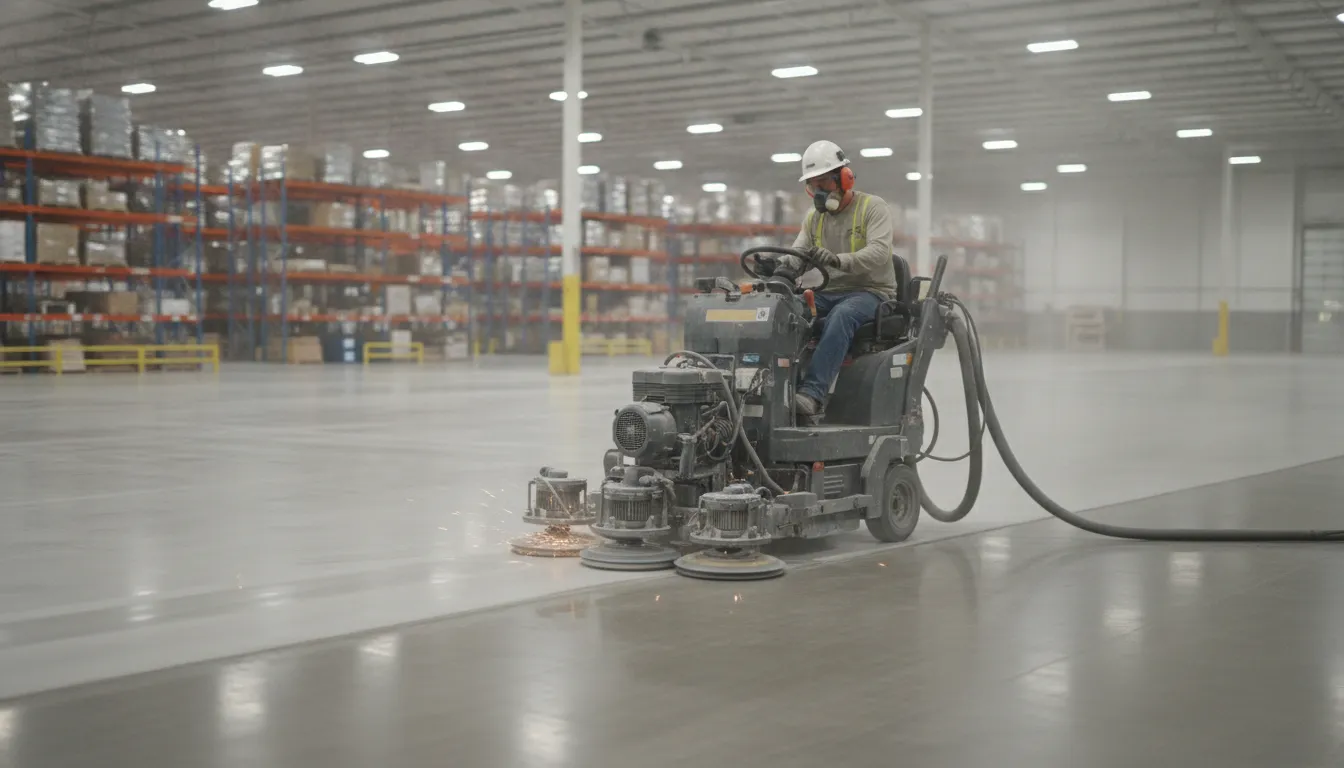
Choosing the right concrete diamond tooling is the most vital step in any grinding job. The main goal is to match the tool bond to the hardness of the slab. If the bond is too hard for the slab, the diamonds will not stay sharp. If the bond is too soft, the segments will wear down much too fast. You must find the best balance to get the job done right and save money on tools. Proper matching diamond tooling to concrete hardness keeps your costs low and your speed high.
Choosing the Right Bond for Your Project
The bond is the metal matrix that holds the diamond grit in place. A soft bond is best for hard concrete. This is because hard slabs do not wear down the metal bond easily. The metal must wear away to show new, sharp diamonds. Using diamond tooling for hard concrete helps ensure the tool does not glaze over. Glazing happens when the metal gets smooth and stops cutting the surface. When this occurs, the tool simply rubs against the floor instead of grinding it.
For soft concrete, you need a hard metal bond. Soft slabs are very rough. They act like sandpaper on the metal matrix. If you use a soft bond on soft concrete, the metal will wear away too fast. This causes the diamonds to fall out before they are fully used. Using diamond tooling for soft concrete prevents this waste. It keeps the diamonds in place long enough to do their work. This ensures you get the full life out of every segment you buy.
Signs of Improper Bond Choice
You can tell if you have the wrong bond by looking at the tool. A tool that is too hard for the slab will look shiny or dark. It will feel smooth to the touch and will not cut the floor. A tool that is too soft for the slab will wear down in minutes. You might see the segment height drop very fast during use. Research from California State University, Chico shows that diamond grinding is a good way to save money when fixing old concrete. Proper bond choice is the key to that success.
| Concrete Type. | Bond Type. | Diamond Exposure. | Wear Pattern. | Main Risk. |
|---|---|---|---|---|
| Hard Concrete. | Soft Bond. | Fast exposure. | Even and steady. | None (best match). |
| Hard Concrete. | Hard Bond. | No exposure. | Polished/Glazed. | No cutting power. |
| Soft Concrete. | Hard Bond. | Steady exposure. | Efficient wear. | None (best match). |
| Soft Concrete. | Soft Bond. | Too fast. | Rapid loss. | High tool cost. |
Speed and Tool Life
The best bond choice helps you work faster and spend less. Studies show that diamond tools are the top choice for cutting or grinding hard items like sapphire or stone. For concrete, the same rules apply. You want the bond to wear away at the same rate as the diamonds get dull. This keeps the tool sharp from start to finish. When you match the bond well, you get more square feet out of every segment. This makes your work better for your budget and less stressful for your team.
Choosing a medium bond is also a choice for slabs that are not too hard or too soft. These tools offer a safe middle ground when you are not sure of the slab hardness. But for the best results, always test the floor first. Knowing the Mohs hardness of the concrete allows you to pick the perfect tool for the job. This small step saves hours of time and hundreds of dollars in tool costs. Diamond Tool Store offers a wide range of bonds to meet any jobsite need.
How to Choose the Right Diamond Tooling for Concrete Hardness
To choose the right diamond tooling, first measure the concrete hardness using a Mohs scratch pick set. Next, match the Mohs rating to the appropriate manufacturer bond series, and monitor the segment wear pattern after your first few passes to prevent glazing or premature wear.
Picking the best selecting specialized concrete diamond tooling depends on matching the tool bond to the concrete hardness. If you choose the wrong bond, your tools may wear out too fast or stop cutting at all. Following a clear process helps you avoid these costly mistakes on the job.
Test the concrete hardness
You should always start by finding the Mohs hardness of the slab. This test uses a set of picks to scratch the surface and find its rating. Knowing if the concrete is soft, medium, or hard is the only way to pick the right bond. For example, diamond tools are used for very hard materials with a Mohs rating of 9.0.
Check the stone type
The rocks mixed into the concrete also affect how your tools wear. Large, hard rocks like river stone or trap rock make the material harder to grind. Small or soft rocks like limestone are easier on the tools but can be very abrasive. You must look at the stone to refine your choice beyond just the surface hardness test.
Select the correct bond series
Once you have your test results, you can pick the right series for your machine. Proper bond selection is critical to maximize the life and efficiency of concrete diamond tooling. Use the steps below to finalize your choice and get the best results on your next project.
- Use a Mohs hardness pick set to find the scratch rating of the concrete surface.
- Compare your Mohs rating to the bond chart for your specific tooling series.
- Select a diamond tooling for soft concrete if the slab is abrasive and wears tools fast.
- Choose a diamond tooling for hard concrete if the slab is dense and hard to scratch.
- Check your first set of segments after a few passes to ensure the diamonds are out and cutting well.
- Switch to a different bond if you see the segments glazing over or wearing down too fast.
How Does Concrete Hardness Affect Diamond Tool Life and Productivity?
Concrete hardness directly dictates how fast the diamond segment's metal bond matrix wears down. Matching bond hardness to concrete hardness prevents glazing on hard slabs and rapid segment loss on gritty, abrasive slabs, ensuring maximum grinding speed and the lowest cost per square foot.
Choosing the right concrete diamond tooling is based mostly on the hardness of the slab. When you match your tools to the slab, you get the best wear and cutting speed. Proper bond choice is key to keep your job on track and save money on parts. If you use the wrong tools, you will face slow work or tools that fail too soon.
Glazing and Fast Tool Wear
Using the wrong bond for the concrete type causes two main problems. If a bond is too hard for the surface, the metal will not wear away to show new diamonds. This leads to glazing, where the tool stops cutting and just rubs against the floor. Glazing slows down work and builds up heat that can warp your gear. Matching diamond tooling to concrete hardness is the only way to avoid these delays.
On the other hand, a bond that is too soft for the concrete will wear out fast. The diamonds fall out before they can do their job. This means you spend more on new parts and waste time swapping them. Good diamond grinding ways require tools that can handle the grit of the surface without breaking down. Finding the right balance ensures you finish the job with fewer tool changes.
Better Speed on Hard Concrete
Hard concrete needs a soft metal bond to work well. A soft bond wears down at the right speed to let fresh diamonds hit the surface. This keeps the tool sharp so it can cut through the dense slab. If the bond does not wear, the tool will just spin and get hot. Using correct diamond tools helps you stay fast on tough floors. This way turns a slow task into a fast one by letting the tool work as planned.
Longer Life on Gritty Slabs
Soft concrete is often gritty. It acts like sandpaper and eats through metal bonds fast. To stop this, you need a hard bond that holds the diamonds in place for a long time. This resists the grit and makes the tool last through the whole project. Using diamond tooling for soft concrete helps you stay safe on these rough surfaces. Research shows that metal and resin bond types must be picked based on these needs to get the best results. Using the right grit and bond prevents the loss of costly diamond parts.
- Hard concrete needs soft bonds to expose diamonds at a steady rate.
- Soft concrete needs hard bonds to stop the tool from wearing out too soon.
- The wrong match leads to glazing or high costs from rapid tool wear.
- Good bond choice boosts speed and lowers the cost for each square foot.
Need help selecting the correct bond series for your concrete grinding machine? Contact the specialists at Diamond Tool Store today or call (908) 433-7240 to get expert advice for your specific project.
Frequently Asked Questions
What happens if I use the wrong diamond bond on concrete?
Using the wrong tool for the concrete can cause fast wear or glazing. If the bond is too hard for the slab, the tool will stop cutting. This happens when the diamonds get dull and the metal stays in place. If the bond is too soft, the metal wears away too fast and the diamonds fall out. Picking the right bond is key to getting a long life from concrete diamond tooling. This choice helps you work faster and save money.
How can I test the hardness of my concrete surface?
You can test the hardness of your concrete using a Mohs scratch kit. These kits have tools with different ratings to find the strength of the surface. You use a tool to try to scratch the concrete. If it leaves a mark, the slab is softer than that tool. Most pros use these tests to pick the right bond for the job. This quick check helps you avoid using the wrong tools and wasting your time or money.
Are there diamond tools that work on all concrete types?
There are general tools that work on many concrete types, but they are not always best. These tools use a medium bond for average slabs. While they are handy, they may not last as long or cut as fast as tools made for a certain hardness. For the best work, you should match your diamond tools to the exact slab you are on. Using tools made for the job will help you get the best results every time.
How does concrete hardness affect diamond tool life?
The hardness of the concrete slab has a big impact on how long your grinding tools last. Hard concrete is very dense. It needs a soft bond so that new diamonds are shown at the right rate. Research on diamond tool bonds shows that bond choice is key to tool life. If the bond is too hard, the tool will stop cutting. Soft concrete is rough and can wear down a soft bond too fast. Matching the bond to the slab is vital for any pro.
Ready to find the right diamond tooling for your project?
Using the wrong bond on hard concrete leads to glazed segments and slow work. Getting the match right now saves you time and keeps your tools from failing on the job. You can get better results and faster speed by picking the tool that fits your concrete today. Do not risk costly delays by guessing which bond you need for your next big pour or floor job. Picking the right tool now means you can stay on time and avoid the high cost of buying new parts later on.
Ready to find the right bond? Call (908) 433-7240 to explore our complete catalog of concrete diamond tooling and find the exact bond for your project.