Choosing the right concrete saw makes the difference between a clean cut and a costly jobsite delay. Professional crews must match their equipment to the slab thickness to stay on schedule.
A concrete saw is a tough power tool used to cut through hard materials like concrete, asphalt, and brick. These machines use blades with diamond edges to grind through the surface with great accuracy. Picking the right concrete saw depends on how deep you need to cut and your power source. Handheld saws work best for small jobs and walls, while walk-behind saws handle large floor slabs and road pavement. Special tools like ring saws give deeper cuts, and Soff-Cut saws stop cracks in new slabs.
Knowing how these tools work is the first step to doing better work. You need to see how the blade and motor work together to keep speed while cutting. This guide starts by looking at What is a Concrete Saw and How Does It Work? so you can pick the best tool. Here is how.
Shop our premium selection of professional-grade concrete saws at Diamond Tool Store.
What is a Concrete Saw and How Does It Work?
A concrete saw is a heavy tool used to cut through hard items like rock and stone. People also call them slab saws or road saws. These tools are key for building roads and fixing floors.
They use a fast-spinning blade to slice deep into the surface. Most pros rely on these tools to get jobs done fast and with a clean finish.
How Diamond Blades Cut
The heart of a concrete saw is its blade. Most pros use diamond blades because they are tough. These blades do not just cut; they grind the items away. Small bits of diamond are set in the edge of the blade. As the blade turns, these diamonds rub against the concrete to wear it down. This grinding action lets you slice through the hardest stone with ease. You can learn more about diamond tools and how they help on our site.
The blade is held in place by a strong motor. This motor can run on many types of power: gas motors for high power on outdoor sites. Electric motors for indoor work without fumes; or pneumatic motors that use air in wet or tight spots. Each type of saw helps workers handle many tasks on the site. Choosing the right power source is a big part of the plan.
Cutting Different Materials
These saws work on more than just concrete. You can use them on asphalt, tile, and brick. Most saws use water to keep the blade cool while you work. The water also stops dust from flying into the air. This is key for safety and keeping the job site clean. Using water helps the blade last longer and makes the cut smoother. It also keeps the blade from getting too hot and warping.
You can also use a dry blade for smaller jobs. Dry cutting is faster to set up but creates a lot of dust. This dust can be bad for your lungs if you do not wear a mask. Most pros stick to wet cutting for big projects to keep things safe and tidy. You can browse our full list of tool collections to find the right saw for your next job.
Why Pros Use These Saws
In big builds, speed and exact cuts matter a lot. A concrete saw lets workers make straight lines in thick slabs. This helps stop cracks as the concrete shrinks over time. By making a small cut, you tell the concrete where to break if it moves. This keeps the rest of the floor looking great for years. Good use of these tools keeps workers safe from harmful dust. The OSHA silica rules show how to stay safe while cutting.
Doing this is a must for any pro crew. Using the right saw saves time and makes the site safe for all. These tools are the best way to get a clean edge on a tough job.
Concrete Saw Types Comparison
| Concrete Saw Type. | Common Applications. | Max Cutting Depth. | Key Advantage. |
|---|---|---|---|
| Walk-Behind Saw. | Large road cuts, floor slabs, expansion joints. | Up to 24 inches. | Excellent stability, straight line cuts. |
| Handheld Saw. | Tight spots, walls, minor adjustments. | Up to 5 inches. | Highly portable and versatile. |
| Ring Saw. | Deeper wall cuts, window/door openings. | Up to 10 inches. | Deep reach with compact body. |
| Soff-Cut Saw. | Early-entry joints in green concrete. | Up to 3 inches. | Prevents random cracking before curing. |
When Should You Use Walk-Behind Concrete Saws?
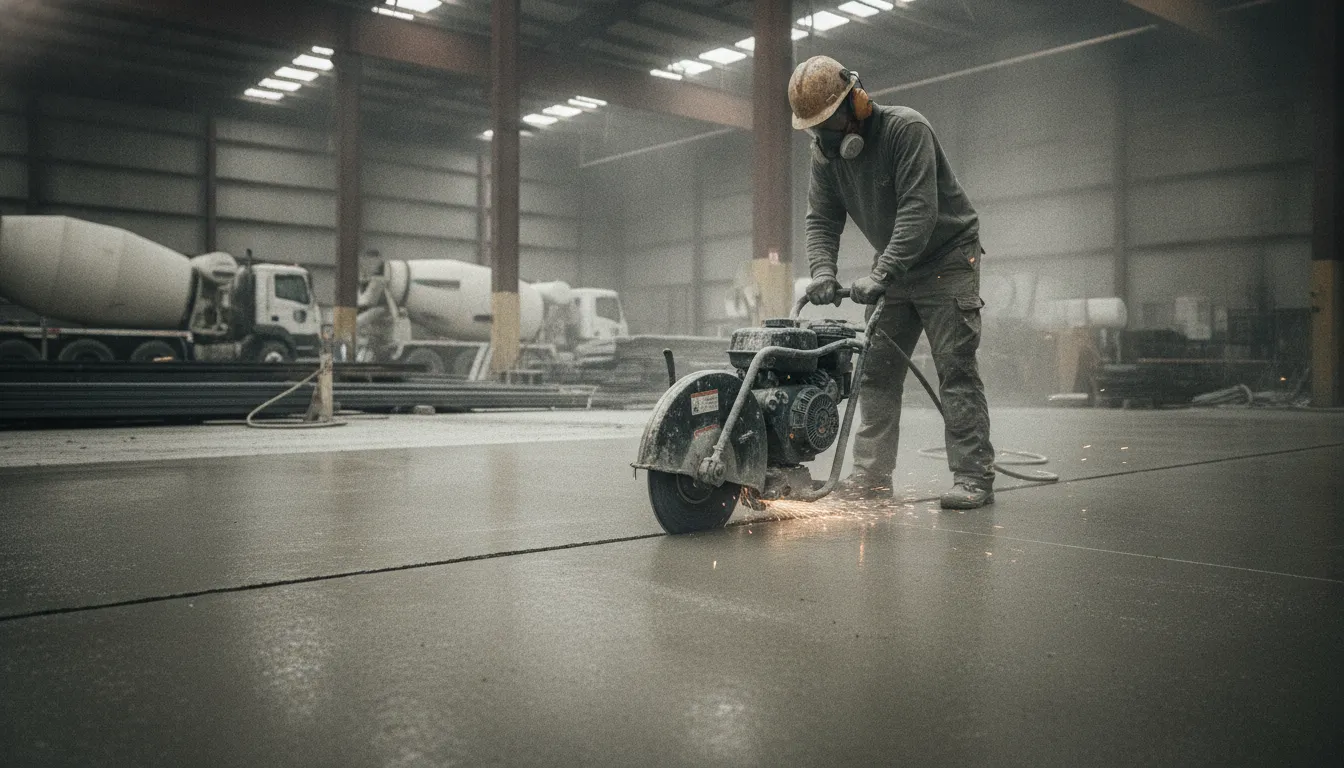
Walk-behind concrete saws are the main tools for large-scale jobs. These machines give the force needed to cut through thick slabs and roads. Unlike small hand saws, these large units rest on wheels and use their own weight to stay steady. This design helps pros make long, straight lines without much effort. You can find many of these saws at Diamond Tool Store to fit your project goals. These units excel at tasks that demand a stable base.
When you need to cut a straight line for hundreds of feet, a walk-behind model is the best choice.
Heavy-Duty Use in Building
Pros use walk-behind saws for many tough tasks. One common job is cutting straight expansion joints in fresh concrete. These joints let the slab move without cracking as heat and cold change the slab. The saws are also great for road curb cutting and deep asphalt repairs. Because they are so strong, they can handle deep cuts that other tools cannot reach. The weight of a walk-behind unit is key for its care. Since the saw moves on a heavy frame, it does not wobble like a hand tool.
This makes it the right choice for highway work or large floors. This saves time and money on the job site by reducing the need for more work.
Power Choices for Every Job
Choosing the right engine is vital for your concrete saw. Most large models offer either gas or diesel engines. Gas engines are common for many mid-sized jobs and are easy to use. They work well for most daily tasks on a site. Diesel engines often give more torque for the heaviest work. They are built to last under high stress and offer great fuel life. These choices let you match the tool to the size of your project.
Another key feature is the 3-speed gearbox. This part lets you change how fast the blade spins. Different items and blade sizes need different speeds to work best. Using the right speed helps your diamond blades last longer and helps you cut faster. It also gives the worker more control over the machine. This helps you get more work done on every shift.
Safety Features and Dust Control
Safety is a top goal when using high-power gear. New saws come with thick blade guards to protect the user. These guards keep debris from flying out during the cut. They also help direct water to the blade to keep it cool. Following OSHA safety rules is needed for every crew. Proper guards and water systems reduce the risk of harm and keep the site safe.
Dust control is also a big part of saw safety. Cutting concrete creates fine dust that can hurt your lungs. Wet cutting systems use water to trap this dust before it gets into the air. This keeps the job site cleaner for all. Most walk-behind saws have built-in water kits for this reason. Using these features helps you stay safe while you work and helps the blade stay cool.
What are the Benefits of Handheld Concrete Saws?
Types of Handheld Concrete Saws
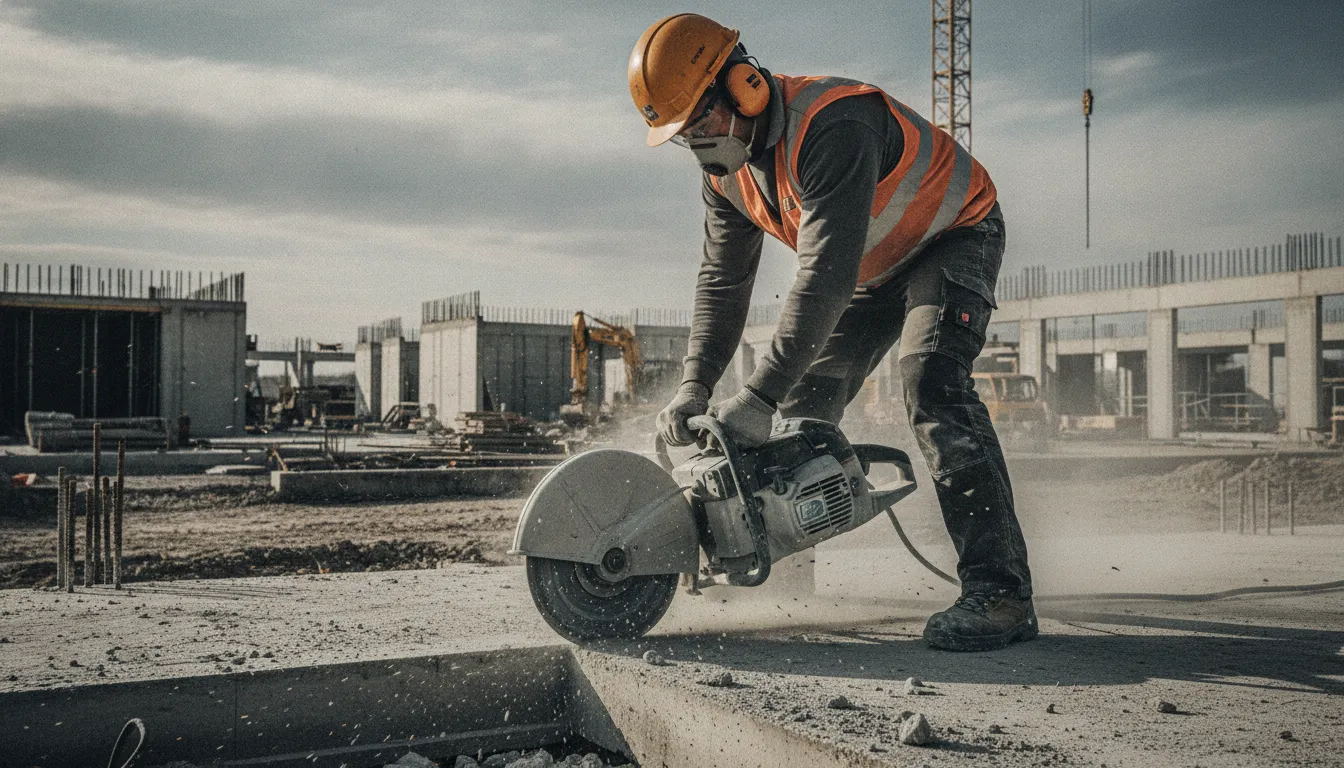
Handheld concrete saws are a top choice for small jobs and quick cuts. Pros often call them chop saws, cut-off saws, or quickie saws. These tools let you move around the jobsite with ease. You can use them for small changes to walls or floors. Most models use 12 or 14 inch blades to cut through brick, block, and concrete slabs. Their light weight and small size make them a key tool. They help any building crew that needs to make fast cuts on the go.
Gas vs. Electric Models
You can buy handheld concrete saws in gas or electric versions. Gas saws are good for outdoor work where you need a lot of power. They are perfect for road work or large sites where power cords cannot reach. They can cut through thick stone and concrete without a cord. But they give off fumes that are risky in small rooms. You must only use gas saws in areas with plenty of fresh air.
Electric saws are a great pick for indoor projects. They do not make gas fumes, so they are much safer to use inside. Many pros use electric tools like the C16 handheld saw for shop work. These saws are easy to care for and do not need oil or gas mix. They start with a simple switch and run with less noise than gas tools. This makes them ideal for tasks in tight or closed spaces where noise and fumes are a concern.
Dust Control and Safety
Cutting concrete makes a lot of dust. This dust can hurt your lungs if you breathe it in. Most handheld power saws use water-fed systems to keep the dust down. You can hook them up to a hose or a portable tank. Water sprays on the blade to trap the dust before it gets in the air. This helps you stay safe and keeps the work area clean. It also helps the blade stay cool while it cuts through hard stone.
Using gas saws indoors is a big risk. The gas fumes can cause health problems like carbon monoxide poisoning in a short time. Always check that you have enough air flow when using a gas tool in any space. For closed spaces or deep trenches, an electric saw is a far better and safer pick. You should always put safety first when you work with power tools on a site.
Common Uses for Hand Saws
Workers use handheld saws for many tasks on a jobsite. They are great for cutting window and door openings in thick concrete walls. They also help when you need to cut pipes or rebar for plumbing and power line work. Because they are mobile, you can use them in tight spots where a large saw will not fit. This makes them one of the most useful tools for a busy site. You can quickly switch between different blades to cut stone, metal, or masonry.
This saves time and keeps the job moving fast.
Why do Pros Choose Ring Saws for Deep Cuts?
Ring saws are niche tools built for tasks where a common saw cannot reach. These saws use a blade that is a ring rather than a full disc. This design lets the tool cut much deeper into concrete than other handheld saws of the same size. Most pros use them to make deep cuts in walls and slabs without needing a huge machine.
How the Ring Blade Works
The key to this tool is how the motor turns the blade. Unlike a normal saw, a ring saw does not have a center hub. Instead, it uses a roller drive system to spin the ring. This setup lets you use the full width of the blade for the cut. By using a roller system, the tool stays light but can still slice through 10 inches of hard concrete with ease. Using a diamond ring blade makes these cuts clean and fast.
The diamonds on the ring edge grind away the stone as it spins. This makes the tool a top choice for cutting door or window gaps in thick walls. It is a great pick for crews who work in tight spots where a large floor saw will not fit. This tool blends deep reach with a small frame for the best results on the job.
The Power of the Ring Design
The main gain of a ring saw is its cutting depth. Since there is no center hub, you can sink the whole blade into the work. A common 14-inch saw can only cut about 5 inches deep because of the center part that holds the blade. A ring saw of the same size can cut twice as deep. This means you can handle 10-inch slabs in a single pass without needing to stop. This deep reach makes the tool a must for any concrete saw kit.
It saves time by letting you cut through thick items without having to flip the slab. It also helps when you need a clean cut all the way through a wall from one side. This makes the job site run fast and helps you meet tight goals on every project. By cutting all the way through at once, you avoid mismatched cuts from both sides. This leads to a better look and less waste on every project you handle.
Deep Cuts in Tight Spots
A ring saw shines when space is small and you need to get the job done right. Its small size lets you work in basements or narrow rooms while still getting the depth you need. You can cut much deeper than a common handheld saw would allow in such a tight space. This depth makes it a great tool to use after you start a cut with a larger saw. Safety is also key when making these deep cuts through thick concrete slabs.
Cutting through these slabs can create a lot of dust that is bad for your health. To stay safe, you should follow the OSHA silica rules by using water to keep dust down. Proper water use also cools the blade, which helps the ring last longer on tough jobs. This keeps your work site safe and your tools in good shape for the next task. Using the right tool for the depth needed is the best way to stay safe and fast.
How do Soff-Cut Saws Prevent Random Concrete Cracks?
Concrete starts to shrink as it cures, and this process creates stress that often leads to random cracks. To stop this, pros use a special concrete saw to cut control joints. These joints act as planned weak spots that guide cracks into straight lines so the surface stays smooth and strong.
The Window for Cutting
Timing is the most vital part of any slab job, as you must cut the joints before the concrete gets too hard. This short span of time is the "green zone," and it usually starts about one to two hours after you finish the pour. If you wait too long, inside stress will cause random cracks that ruin the look of your work. Early-entry tools allow you to start much sooner than standard saws. Most experts aim to cut while the concrete still has a lot of water.
As per the Federal Highway Administration, this early action helps keep the slab in one piece. It prevents the tiny cracks that often start to grow as soon as the concrete sets.
How the Soff-Cut System Works
The Soff-Cut method uses a unique design to protect the wet surface. A standard saw might chip or fray the edges of a fresh cut. But the Soff-Cut concrete saw uses a skid plate to hold the concrete in place. This plate applies pressure right where the blade enters the ground. The blade also spins in an upward motion. This up-cut spin helps clear dust and grit out of the joint quickly. When you mix the plate with this spin, you get a clean edge every time.
You do not have to worry about the heavy weight of the machine sinking into the soft slab.
Benefits of Early Entry Cutting
Using this system saves time and money on the job site. You do not have to come back the next day to finish your cuts. Since you cut while the slab is fresh, you reduce the risk of big repairs later. It is the best way to ensure a flat, stable floor that can handle heavy loads over time. Clean joints also look better for the client. A straight, crisp line shows that you take pride in your craft.
By using the right tools, you give your team the best chance to win. Good work leads to more jobs and a better name in the local trade.
Choosing the Right Concrete Saw for Your Job
Choosing the right concrete saw is key to getting a clean cut. Each style of saw works best for a specific task on the site. Knowing what each tool does helps you finish your job on time.
Follow these steps to choose the correct saw for your next jobsite application.
- Assess the material and depth: Match the concrete hardness and slab thickness to determine if you need a walk-behind saw or a handheld saw.
- Select the power source: Choose gas-powered engines for outdoor locations or electric-powered saws for fume-free indoor cutting.
- Check the blade rating: Ensure your diamond blades match the RPM speed, diameter, and wet/dry specifications of the saw.
- Plan for dust control: Use water-fed systems to stay compliant with OSHA silica dust rules and extend blade life.
- Inspect the safety guards: Verify all protective guards are in place and operate smoothly before starting the saw.
Here is a quick guide to help you pick the best tool for your next project:
- Walk-behind saws give you high power and steady wheels for heavy road joints and curb work.
- Handheld saws offer great on-site versatility for quick cuts in tight or high areas.
- Ring saws use a hubless blade to make deep, tight cuts through thick walls.
- Soff-Cut saws provide early entry cutting to control expansion joints in fresh slabs.
Using the proper saw keeps your crew safe. It also helps your blades last longer. Matching your tool to the slab thickness keeps your project on track.
If you need reliable gear, we can help. Check out the concrete saws collection at Diamond Tool Store today. You can also call our experts to find the right tool for your next job.
Explore the complete concrete saws inventory at Diamond Tool Store.
Frequently Asked Questions About Concrete Saws
What saw is best for cutting concrete?
The best saw depends on your job's scale and depth. For large roads or deep slab joints, a heavy walk-behind concrete saw is the industry standard. For small on-site cuts or tight spots, a handheld cut-off saw (or quickie saw) offers the best portability and flexibility. For extremely deep cuts in walls or tight spaces, a ring saw is the ideal choice.
How thick can a concrete saw cut?
Cutting depth depends on the saw type and blade size. Handheld cut-off saws with standard 12-inch or 14-inch blades typically cut up to 4 or 5 inches deep. Ring saws use a unique ring-shaped blade driven by a roller drive system to achieve a much deeper cut of up to 10 inches with a smaller tool. Large diesel walk-behind saws with massive blades can cut 12 to 24 inches deep for heavy-duty industrial jobs.
What is the difference between a concrete saw and a masonry saw?
While both cut hard materials, their designs fit different work styles. A concrete saw (such as a walk-behind or handheld cut-off saw) is usually highly mobile and brought directly to the slab or pavement. A masonry saw (or brick saw) is typically a stationary table saw where smaller items like bricks, pavers, or tiles are brought to the blade for precise cuts.
Can I use a concrete saw without water?
Yes, you can dry cut concrete, but wet cutting is highly recommended for health and performance. Cutting dry concrete creates a massive cloud of respirable crystalline silica dust, which is extremely dangerous to breathe. Wet cutting with a water-fed dust suppression system (such as 0.5 liters of water per minute) suppresses dust emissions. Protects your lungs, cools the blade, and speeds up the cut.
\n\n