Choosing between wet vs dry diamond core bits depends on material hardness, hole depth, and water access at the jobsite. Wet diamond core bits use water to cool segments and flush out slurry, which prevents glazing and allows for faster drilling in heavy concrete or stone. This method extends tool life by handling extreme heat. Dry core bits are better for smaller projects or indoor areas where water cleanup is not possible. While dry drilling is more mobile, it is mostly used for hole sizes under six inches and can lead to faster segment wear. According to Diamond Tool Store, choosing the right bit from a diamond core bits collection ensures better cutting speeds and keeps costs low by preventing tool breaks. This choice defines your speed and success on every job.
Shop our complete diamond core bits collection and find the right wet or dry bits for your next job today.
Every operator must understand how water flow and tool speed change based on the material being drilled. Choosing the right setup saves time and prevents glazing, as we will show in What's the Difference Between Wet and Dry Diamond Core Bits? The comparison begins withWet Vs Dry Diamond Core Bits: What's the Difference Between Wet and Dry Diamond Core Bits?
Choosing between wet and dry methods is the first step in any core drilling job. The main gap lies in how the tool handles heat and dust during the cut. Wet bits use a steady flow of water to keep the tool cool. Dry bits rely on air flow and segment design to stay at a safe heat. At Diamond Tool Store, we provide a full diamond core bits collection to match these exact work needs.
How wet core bits handle heat
Wet diamond core bits are the top choice for heavy work. These tools use water to cool the diamond segments while you drill. This flow keeps the bit from getting too hot. Heat is the main enemy of any diamond tool. If the bit gets too hot, the diamonds can wear out too fast or glaze over . Glazing happens when the metal bond melts over the diamonds and stops them from cutting.
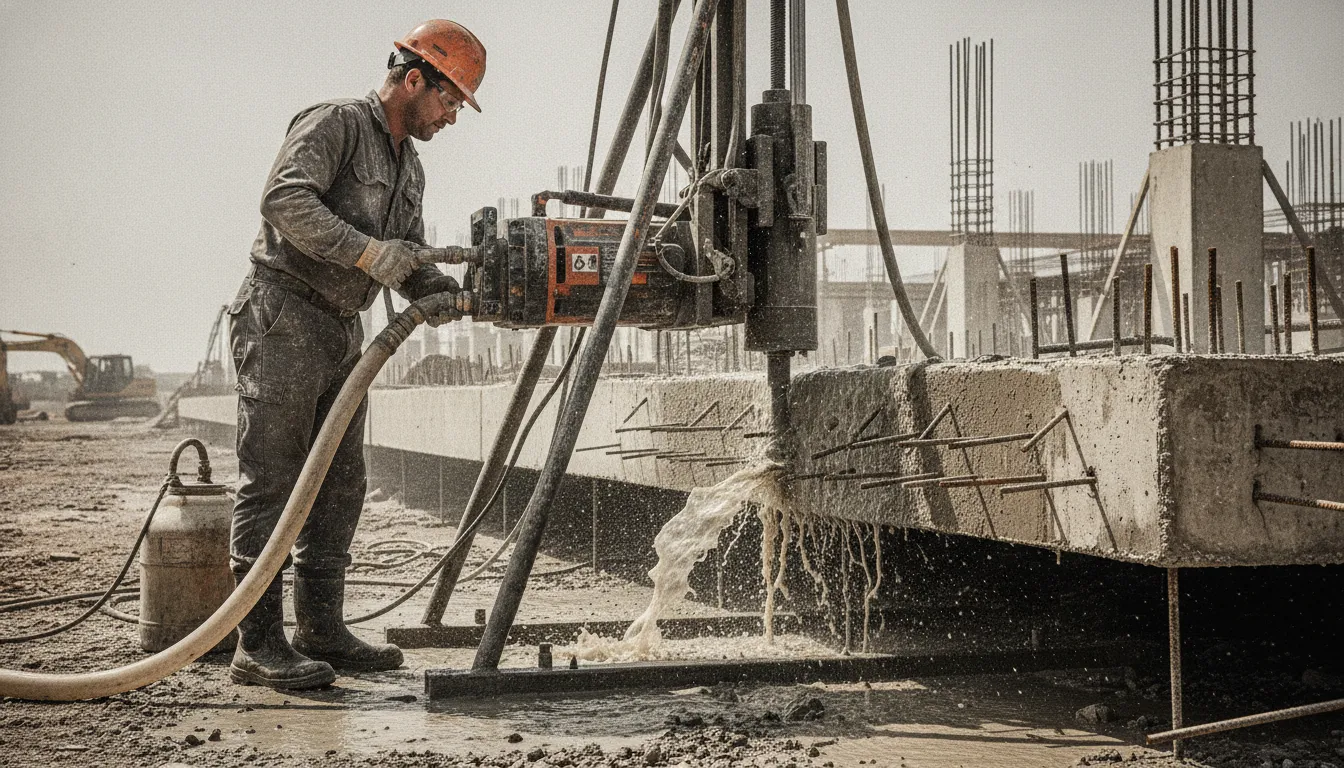
Using water also makes the process much faster. It helps the tool bite into the material with less force. It also helps the bits last longer when you work on large jobs. For trade pros, wet drilling is often the best path for long tool life and speed . You can find these tools in our list of professional concrete drilling tools to ensure your gear matches the task.
Slurry removal and tool life
Water does more than just cool the bit. It also flushes out the waste material from the hole. This waste is called slurry. If slurry builds up, it can grind against the bit and cause extra wear. By washing the slurry away, the water keeps the cutting path clear. This allows the diamond segments to stay in direct contact with the hard surface.
A clear path means you can drill deeper without the bit getting stuck. It also reduces the friction that creates heat. This dual role of cooling and cleaning is why wet bits are the industry standard for deep holes in strong concrete. They provide a level of speed that dry tools cannot match on high-volume job sites.
When to use dry core bits
Dry core bits offer more freedom on the job site. You do not need a water source or a pump to use them. This makes them a great pick for small tasks or indoor work where water might cause a mess . These bits are built with special parts that can handle the heat of dry cutting. But they usually need more breaks to cool down than wet bits do.
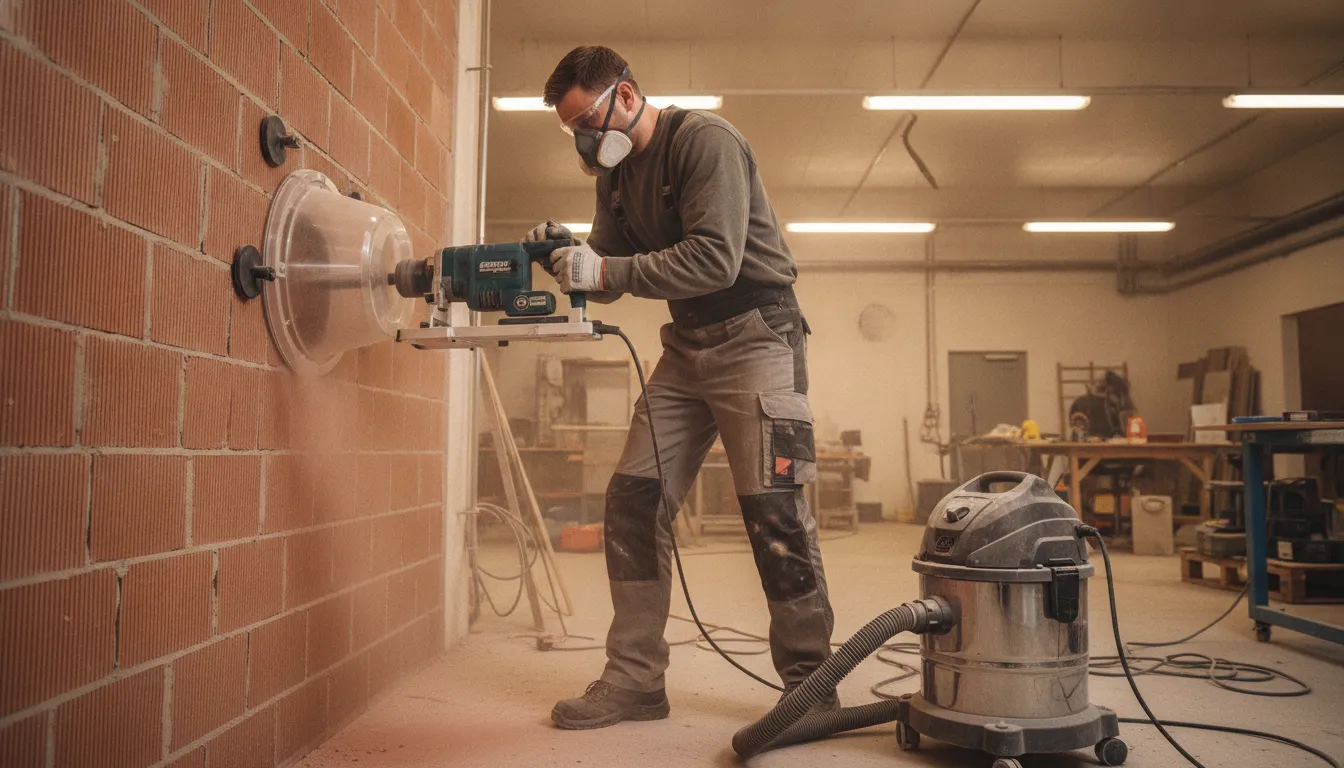
Most dry cores work best for smaller holes in softer items like brick or block. They are ideal for handheld drills and tasks like running a pipe through a wall. While they may not be as fast as wet bits for deep cuts in hard stone, their ease of use is a big plus. They give you the power to start work fast without the need to set up hard water lines.
Dust control and job safety
Safety is a big factor when you choose a drilling method. Cutting concrete or stone dry creates a lot of fine dust. This dust is bad for your lungs and can make the air hard to breathe. Wet drilling solves this by turning the dust into a wet paste that stays on the ground. This paste is much easier to manage than clouds of airborne dust.
Research from the CDC shows that even small amounts of water can help control this dust . Using a low flow of water can keep the air safe for you and your team. This makes wet drilling a key choice for indoor jobs or tight spaces where dust can build up fast. Keeping the air clean is just as important as the quality of the hole you drill.
How Wet Diamond Core Bits Work: Cooling, Speed, and Durability
Wet diamond core bits rely on a steady flow of water to work well. This water serves three main goals: it cools the diamond segments, flushes out debris, and keeps the tool from glazing over. Without this flow, the friction between the bit and the hard material would create enough heat to ruin the tool in seconds.
Managing Heat and Cooling
Heat is the biggest enemy of any diamond tool. As you drill, the diamond segments grind through concrete or stone, creating high friction. Wet bits use water to cool these segments, which prevents overheating and fast wear. This cooling keeps the metal bond from melting or becoming too soft to hold the diamonds in place.
Proper water flow also prevents glazing. Glazing happens when the metal bond covers the diamond crystals, making the bit dull. By keeping the heat low, the water helps the tool stay sharp and aggressive. This leads to a faster and more durable tool for heavy concrete or stone jobs.
Clearing Debris and Slurry
As the bit cuts, it creates a fine dust or "slurry" made of ground material. This slurry can clog the bit and slow down the cut if it stays in the hole. Water acts as a flushing agent to remove this debris as you work. This keeps the cutting surface clear so the diamonds can stay in direct contact with the material.
You do not always need a lot of water to see these results. Research from the Centers for Disease Control and Prevention (CDC) shows that just 0.4 liters of water per hole can give major benefits. This small amount helps control dust while still protecting the bit from heat damage.
Performance in Heavy Materials
Wet drilling is the standard for tough materials like hard concrete or natural stone. Because concrete core drill bits must stay cool to keep their speed, wet methods are almost always faster than dry ones. The water reduces the drag on the barrel, which allows for deeper holes and a longer tool life.
The flow of water is not just about the tool surface. It also protects the strength of the bit. Studies on diamond bits show that proper water circulation prevents heat-induced damage to the bit body and segments. This makes wet bits the best choice for pros who need to drill many holes per day.
How Dry Diamond Core Bits Work: Portability and Convenience
Dry diamond core bits are built for jobs where water is a problem or hard to get. These bits do not need a steady stream of water to keep the diamonds cool. Instead, they use the air around the bit to shed heat during the drilling process. This design makes them the top choice for indoor work or remote jobsites.
Air cooling and segment design
The segments on a dry bit have a special bond. This bond is hard enough to hold the diamonds but soft enough to let them stay sharp. Since air does not cool as well as water, these bits work best with short bursts of cutting. You should pull the bit back often to let air reach the segments. This move helps the bit stay cool and stops the diamonds from getting dull.
Proper heat control is key for tool life. Research shows that heat dissipation efficiency is a main factor in how long a diamond bit lasts. If a bit gets too hot, the metal bond can melt or the diamonds can crack. Dry bits are designed to handle more heat than wet bits, but they still have limits.
Handheld tools and jobsite mobility
Dry drilling is mostly used for smaller, portable tasks. You will often see these bits on handheld core drills or large right-angle grinders. This setup is much lighter than a rig-mounted system. It lets you work in tight spots where a water hose would be a trip hazard or create a mess.
Most pros use dry bits for holes between one and six inches wide. While you can find larger dry bits, they become hard to control by hand. If you need a bigger hole, a rig-mounted wet system is usually safer. For most daily professional concrete drilling tasks, the ease of a dry bit is hard to beat. Stick to dry bits for brick, block, and soft concrete to keep your costs low.
Choosing the Right Method for Your Material
The type of stone or masonry you drill decides the best method to use. Hard materials create a lot of heat that can ruin a bit fast. Softer materials are easier to cut but may break or chip if you are not careful. Matching your drill bit to the surface keeps your tools sharp and your work clean.
Drilling Hard and Rough Stones
Hard stones like granite and quartzite are tough on tools. Granite has a Mohs hardness of 6 to 7, while quartzite is a 7 or higher. These stones are rough and get hot fast when you drill them. You must use the wet method for these stones to provide strong cooling. Flowing water keeps the diamond parts from getting too hot and failing. Research shows that enough water flow is needed to prevent heat damage to diamond tools. Using a guide to granite core drill bits can help you pick the best tool for hard surfaces.
When working with these stones, you must be patient. Let the bit do the work and do not push too hard. If the bit gets too hot, the diamonds can glaze over and stop cutting. You can find specific granite core drill bits built to handle this type of stress. These bits have a bond that wears away at the right speed to keep fresh diamonds exposed.
Working with Softer Stone and Masonry
Marble is softer with a Mohs score of about 3. It is easy to core but can chip when the bit breaks through. You can use wet or dry bits for marble, but water helps keep the cut clean. For brick and block, dry drilling works well. These materials do not create enough heat to damage a dry bit.
Best Choices for Concrete and Tile
For concrete, the wet method is the best choice, especially when the concrete has steel reinforcement. Wet bits are faster and last longer when cutting through steel and hard rock. Browse concrete core drill bits for strong slabs. If water access is limited, some dry bits can work for small holes.
Porcelain and ceramic tile are dense and brittle. For small holes, you can use dry diamond bits. These bits are often used with high-speed grinders. For larger holes or thick tiles, water helps prevent cracks. You should use porcelain/tile core drill bits to get a smooth edge without breaking the tile. Even small amounts of water can help control dust and keep the bit cool.
| Material | Best Method | Why |
|---|---|---|
| Granite | Wet | Hard and rough stone needs lots of cooling. |
| Marble | Wet or Dry | Soft stone cores easy but chips at the end. |
| Quartzite | Wet | Hard stone creates too much heat for dry bits. |
| Concrete | Wet | Water helps cut through steel and hard rocks. |
| Porcelain | Dry or Wet | Dry works for small holes; wet prevents cracks. |
| Brick | Dry | Soft material does not get very hot. |
When Wet Core Drilling Is the Best Choice
Wet core drilling is the standard for most big jobs in the stone and concrete trades. While dry bits work for small tasks, wet bits are faster. They also last much longer when you cut through tough stone or hard slabs. This method uses water to keep the bit cool. It also flushes out waste as you work. When you need high speed and long tool life, wet drilling is the best choice for the job.
Big Jobs and Large Holes
For holes wider than six inches, wet drilling is the best path. Large holes, up to 14 inches, need a drill rig for support. These rigs keep the drill steady in hard concrete and thick stone. Using a rig-mount setup with water is the trade standard for heavy tasks.
Wet bits use a common 1-1/4 inch thread to fit large core drills. For these tasks, professional concrete drilling needs a steady water feed to keep the work moving fast on a busy job site.
Deep Holes and Heat Control
Most wet bits have 14.5-inch barrels for deep slabs. Water keeps the bit at a safe heat level. Studies show that good water flow stops heat damage. By keeping the tool cool, you save money on new parts.
Extending Dry Bit Life
To get the most from your dry diamond core bits, follow these steps on every cut:
- Start at an angle. Begin at 45 degrees to notch the surface, then straighten the bit. This prevents walking.
- Drill in short bursts. Cut for 10 to 15 seconds, then pull the bit out to let air cool the segments. This prevents overheating and glazing.
- Use a dust shroud. Attach a vacuum shroud to capture airborne silica dust. This protects your lungs during overhead or indoor drilling.
Never use water with a bit made only for dry work. Water can ruin the bond, causing segments to glaze or break off.
Hard Stone and Dust Control
Hard stones like granite need strong cooling. These rocks are very rough on tools. They can dull a dry bit in a few seconds. Wet drilling stops the bit from glazing over. This happens when the diamonds get too hot and stop cutting the stone. The water also clears the mud out of the way so the diamonds stay in contact with the rock.
Wet drilling also makes the job site safer for all. Using water is a known way to reduce dust while you drill. This is a key step when you work with sandstone or other rocks with silica. By turning dust into wet mud, you keep the air clean. This protects your lungs and keeps the work area tidy. As long as you can clean up the wet mud, this method is the safest way to work.
When Dry Core Drilling Is the Best Choice
While wet drilling is common for thick concrete, dry core drilling is often the better pick for specific jobs. It is the best choice for portable work or places where water would cause a mess. If you cannot use a water tank or pump, dry bits let you finish the task with less gear and less setup time.
Best for Small Holes and Portability
Dry core drilling works best for handheld tools and holes between 4 and 6 inches wide. It is ideal for fast tasks like making holes for anchor bolts on a jobsite. Because you do not need hoses, it is easier to move your tools. This makes it a great diamond hole saw application for quick fixes in masonry.
According to the Centers for Disease Control and Prevention (CDC), managing dust is vital when you do not use water. While the CDC notes that small amounts of water can help, true dry work relies on a good vacuum. This setup is perfect for remote jobs where you cannot bring in a large water supply.
Indoor and Finished Space Drilling
A major win for dry drilling is working in finished rooms. In these spaces, wet slurry can ruin floors or walls. Dry drilling keeps the area clean and safe. It is the best way to drill through brick or block walls inside a home or office without leaving a wet trail behind.
Overhead drilling is another spot where dry bits shine. Water from a wet bit can drip onto the tool or the user. Using a dry bit with a dust shroud stops this risk. It keeps the workspace dry while you work on ceilings or high walls where water runoff is hard to manage.
Extending Tool Life Without Water
This method works well on light masonry like brick and soft block. For hard stone like granite, you would still need the cooling power found in a granite core drill bits set. For most common building tasks, dry drilling gives you the speed and ease that pros need on the move.
Core Bit Compatibility: Thread Sizes, Adapters, and Drill Types
Finding the right diamond bit means checking more than just the hole size. You must make sure the bit fits your drill and the way you plan to work. Your choice depends on thread size, the drill motor, and whether you use a stand or hold the tool by hand. Using the wrong parts can damage your bit or the drill motor. It can also lead to poor results or even break your tool during a job.Standard Thread Sizes for Core Bits
Most wet bits in our diamond core bits collection use a standard 1-1/4"-7 thread. This size is common for large core drill rigs used on heavy jobs. Dry bits often use a smaller 5/8"-11 thread size. This fits many handheld grinders and small power tools used for stone and brick. If your bit and drill do not match, you can use an arbor adapter to link them. These adapters let you use one type of bit with many drills, which saves you money. Always check the threads before you start to avoid stripping the metal. This simple check helps keep your gear in top shape.Drill Rig and Handheld Tool Matches
Wet drilling often needs a core drill rig with a water swivel. The swivel lets water flow through the center of the bit to keep it cool. Rigs are stable and help when you need to drill large holes in hard concrete. A rig-mounted setup is best for holes between 6 and 14 inches. Dry bits are made for handheld use. They work well with standard rotary hammers or SDS-Max tools. Handheld dry cores are best for small tasks, often for holes up to 4 to 6 inches. Using a handheld drill for very large holes can be unsafe and hard for a person to control.Barrel Length and Depth Specs
Standard wet bits often have a 14.5" barrel length. This length works well for most concrete drilling jobs through walls or slabs. If you need to go deeper, you can add a barrel extension to the tool. These parts screw into the bit to give you more reach for thick concrete. Water flow is important for deep holes to keep the bit from getting too hot or stuck. Even a small flow can make a big difference in how well the bit cuts. Keeping the bit cool stops the diamond segments from glazing over or falling off the barrel.Value of a Proper Setup
The Centers for Disease Control and Prevention found that using 0.4 liters of water per hole helps the bit last longer. This small amount of water also stops dust from filling the air. This makes the work site safer for everyone on the crew. A good setup also protects your drill motor from strain. When the bit fits well and stays cool, the motor does not have to work as hard. This means you spend less money on repairs and more time finishing your work. It also helps you get clean, precise holes on every job.Ready to upgrade your drilling setup? Browse our diamond core bits and get the right tool for every material.
Frequently Asked Questions
Can I use a wet diamond core bit for dry drilling?
Wet diamond core bits need constant water flow to cool the diamond segments. If you use them dry, the segments can quickly overheat, lead to glazing, or even break off the barrel. According to the Diamond Tool Store, wet-only bits must have water. This prevents segment damage and ensures the tool works well for tough concrete or stone projects.
What is the standard arbor thread size for diamond core bits?
Tool standards for diamond core bits typically depend on the drilling method. Most wet bits use a 1-1/4"-7 arbor thread to fit large core drill rigs. Dry bits usually come with a 5/8"-11 thread for handheld grinders or drills. You can find both styles in the diamond core bits collection, though some setups may need a specific adapter to fit.
How much water is needed to control dust during concrete drilling?
You do not always need large amounts of water to see performance gains. A CDC study found that using about 0.4 liters of water per hole can effectively control airborne dust. This small amount keeps the diamond segments cool and prevents silica dust from entering the air. It makes the jobsite safer for workers while maintaining the speed and life of the bit.
Is a rig-mounted drill required for large diameter holes?
Yes, drilling larger holes typically needs the steady support of a rig-mounted system. While handheld drills work well for holes up to 4 or 6 inches wide, a rig is usually needed for holes between 6 and 14 inches. Using a rig ensures the bit stays level and prevents binding. This protects the operator and extends the life of the concrete core drill bits.
What materials require wet drilling with diamond core bits?
Harder materials like granite or quartzite need the constant cooling of water to prevent bit damage. Granite has a hardness of 6 to 7, while quartzite is often 7 or higher. These stones create high heat that can glaze over diamond segments. These materials need heavy cooling and a patient drilling technique to get clean, solid results. Browse our granite core drill bits for tools designed to handle this stress.
Ready to pick the best diamond core bits for your job?
Using the wrong drilling method leads to slow work. It can break tools and stall your project. These setbacks hurt your bottom line and slow your finish date. Choosing the right wet or dry bits today ensures you work faster on every job. It also keeps your gear in top shape for years. You get clean results on every cut with the best pro tools. Our shop has a wide stock of diamond tools ready to help you. We want to see you finish your next big project on time and with ease.
Ready to browse our complete diamond core bits collection? Shop our pro diamond core bits to find the right gear for your masonry work today.